What soccer taught me about creative direction.
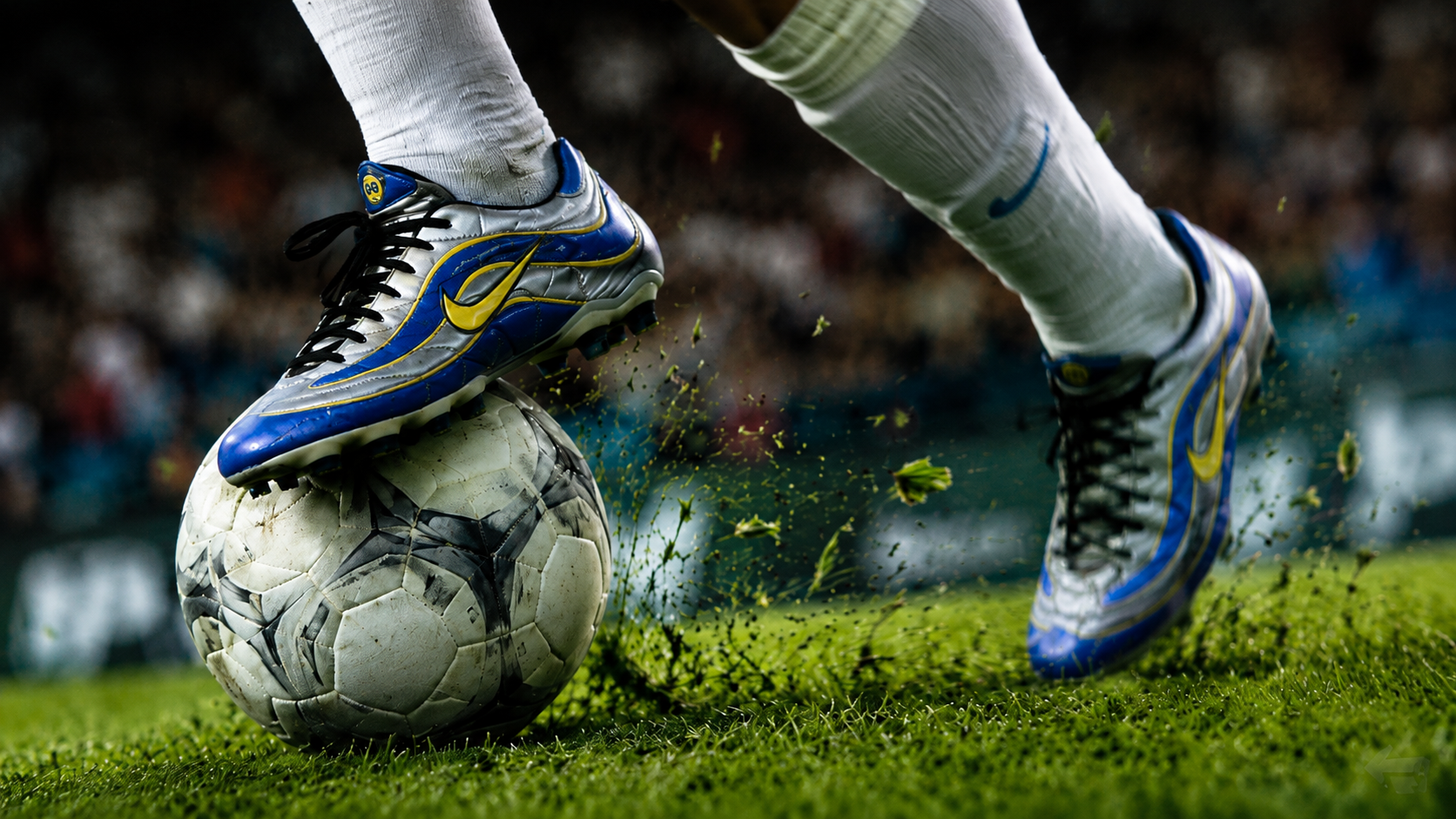
There’s something about World Cup season that makes everything feel louder. The group chats wake up. The flags come out. People who haven’t watched a full match in four years suddenly become tactical analysts. Your uncle starts talking about pressing systems like he’s been on Guardiola’s staff since 2009. And honestly, I love it. Because soccer has always had this strange power to make the world feel smaller and bigger at the same time.
The 2026 FIFA World Cup already feels different. It’s the first one with 48 teams, hosted across Mexico, the U.S., and Canada, with the opening match in Mexico City and the final in New York/New Jersey (FIFA). So for someone like me — born in Miami, shaped by Bolivia, raised between cultures, currently living in Mexico City, and permanently emotionally unavailable during important matches — it hits in a very specific place.
But the more I think about it, the more I realize soccer didn’t just give me memories. It trained me. Not in the motivational-poster way. Not in the “sports teach teamwork” way that sounds like something printed on the wall of a middle school gym. I mean it literally rewired how I think, how I lead, how I read people, how I solve problems, how I recover from losing, and how I move through the creative industry. Because before I ever knew what Creative Direction was, I was already practicing it on a field. I just didn’t have the title yet.
When you play soccer, especially if you grow up really playing it, you learn fast that no plan survives contact with the other team. You can have the perfect play in your head. You can know exactly where the pass should go. You can see the run before it happens. And then one defender steps in, one teammate slows down, one bad touch changes the angle, and suddenly the idea you had three seconds ago is dead.
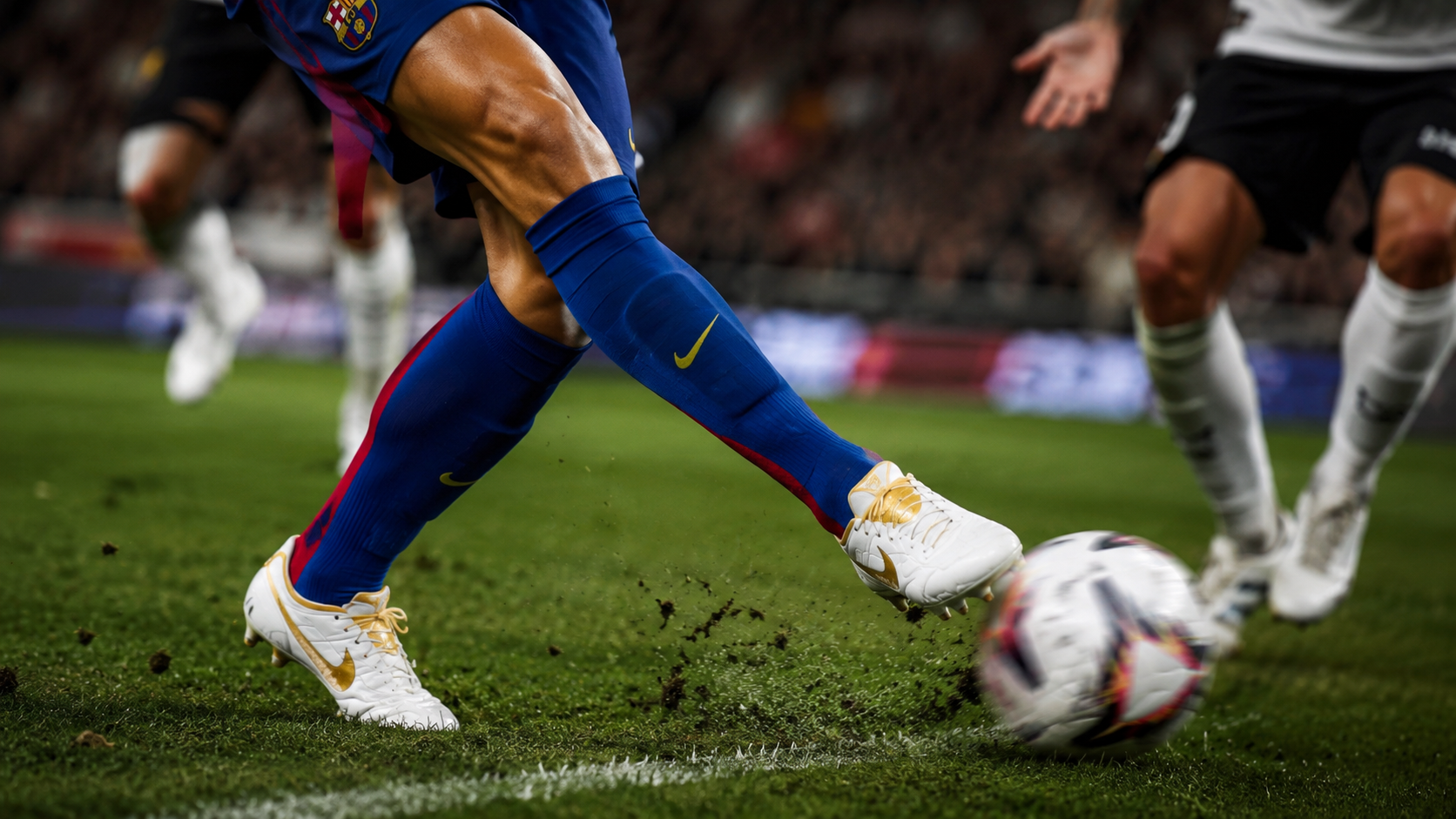
So you improvise.
That sounds simple, but it’s not. Improvisation is not randomness. It’s not panic. It’s not just “making stuff up.” Good improvisation is strategy moving faster than fear. It is pattern recognition, memory, instinct, technical skill, and emotional control all having a conversation in your body before your brain has time to write a deck about it. That’s basically the creative industry.
A campaign starts with a brief. The brief becomes a strategy. The strategy becomes an idea. The idea becomes a presentation. Then the client says, “We love it, but can it be more emotional, more disruptive, more digital, more ownable, more simple, and also can we see it tomorrow?” And suddenly you’re back on the field. The defender blocked your lane. Now what?
Research on soccer decision-making backs up what players already feel in their bones: high-level performance depends on perception, working memory, and the ability to make tactical choices under pressure. One study on soccer players found that tactical decision-making is tied to expertise and cognitive processing — basically, the better you understand the game, the better you can read the chaos and act inside it (Glavaš, Pandžić, and Domijan). Another study found that creative decision-making in skilled soccer players is connected to visual search behavior — where players look, how they scan, and what information they pick up before making a move (Roca, Ford, and Memmert).
That part feels huge to me. Because creative direction is also visual search behavior. You’re constantly scanning the field. The brand. The culture. The team. The client’s face during the meeting. The comment section. The trend that is already dying. The reference that is beautiful but wrong for the brand. The execution that looks cool but says nothing. The junior creative who has the right instinct but doesn’t know how to defend it yet. A Creative Director has to see the whole field. And I think soccer teaches you that without asking for permission.
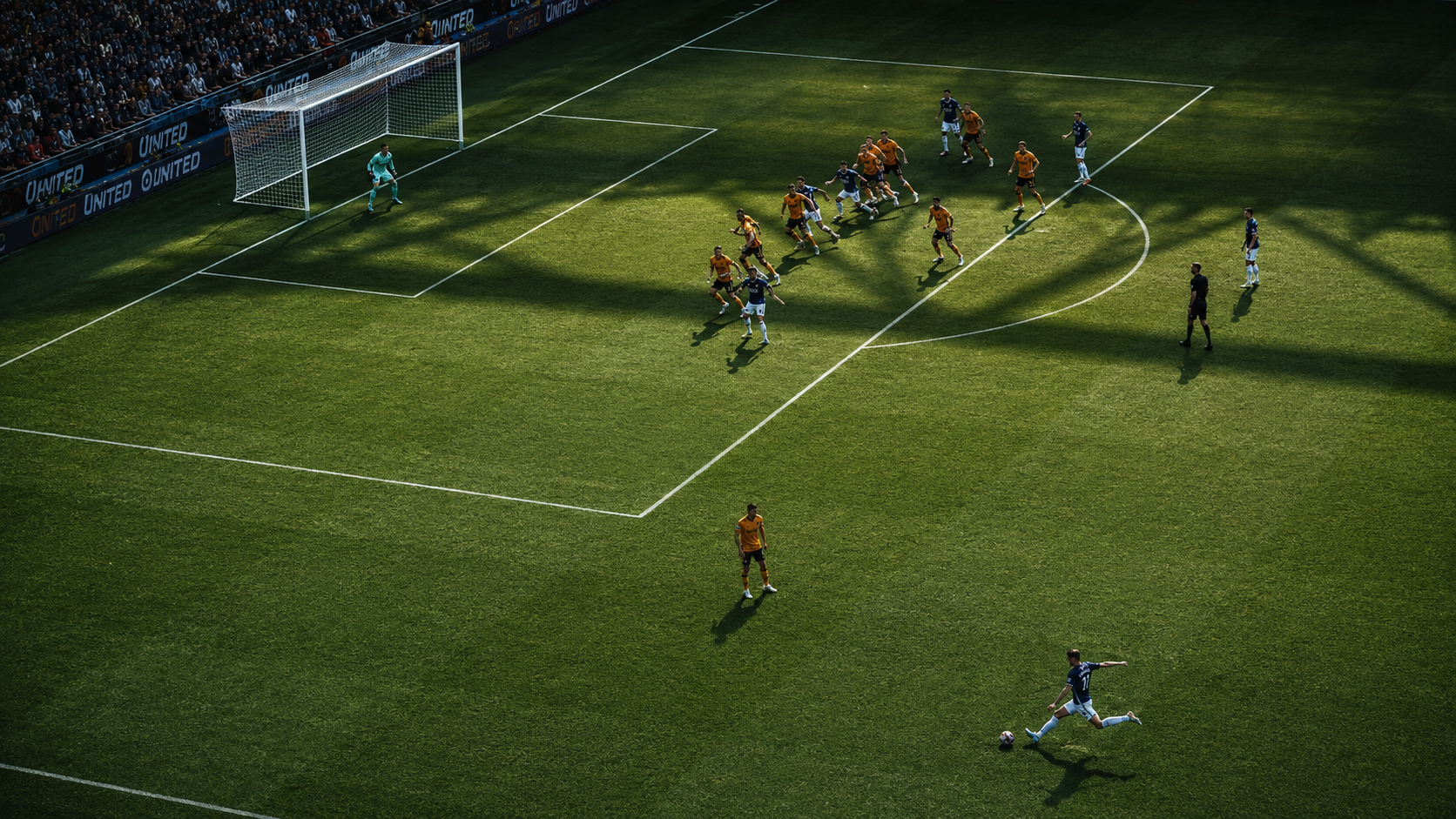
I was never the biggest guy on the field. I wasn’t built like the dude who could just run through people and call that a strategy. My game was always more about dribbling, rhythm, and vision. I loved that feeling of pulling a defender one way, waiting half a second longer than expected, and then either slipping through or finding the assist. Not because I needed to be flashy, but because sometimes the most effective move is the one that makes everyone else better.
That’s probably the part of soccer I’ve carried the most into creative leadership. The assist. In creative work, we love the person who scores. The big idea. The line. The visual. The campaign film. The case study. The award. But the real work is often in the pass before the pass. The quiet setup. The small correction. The reference that unlocks the art direction. The question that helps the copywriter find the sharper version. The room you create so someone else can land the idea.
Soccer teaches you that glory is not always the goal. Sometimes the goal is the goal. That sounds dumb, but I mean it. The point is not always to be seen. The point is to move the play forward. And that is hard in an industry where visibility can start to feel like survival. Personal branding, LinkedIn posts, portfolio updates, awards, titles, promotions, “thought leadership,” whatever that means this week. We are all being asked to be players, coaches, commentators, and content creators at the same time.
But soccer gives you a better standard. Did the play work? Did you create space? Did you help the team? Did you make the right decision when things got messy? That’s a healthier way to judge creative work, too. Not “did everyone clap in the presentation?” Not “did the moodboard look expensive?” Not “did the line sound like something Nike would write if Nike had a nervous breakdown on Pinterest?” But did it move something? Did it solve the problem? Did it make people feel? Did it help the brand play better?
And then there’s losing. Soccer breaks your heart early. Sometimes gently. Sometimes in penalties, which is not gentle at all. You learn what it feels like to give everything and still lose. To be better and still lose. To make one mistake and watch it become the story. To sit in the car after a game replaying one touch, one pass, one shot, one second.
The creative industry has its own version of that. You lose pitches. You lose clients. You lose ideas in feedback rounds. You lose confidence in tiny, embarrassing ways. You lose sleep over decks nobody will remember in six months. You lose to safer ideas, louder voices, smaller budgets, better timing, office politics, or sometimes just because your work wasn’t there yet.
Soccer doesn’t make losing easier. It makes losing familiar. And there’s value in that. Sports psychologists have written about how athletes need to learn not only how to chase victory, but how to process failure without letting the failure become their identity. Denis Hauw, a sports psychologist, has argued that confronting failure is essential for building resilient athletes, because performance cultures often prepare people to win but not to emotionally survive losing. That feels painfully relevant to creative work, where so many of us quietly confuse “my idea didn’t sell” with “I’m not good enough.”
That’s where the game becomes deeper than the game. Because soccer also teaches you adaptation. The sport keeps changing. Formations evolve. Positions become hybrid. Fullbacks become midfielders. Goalkeepers become playmakers. Wingers become inverted. Pressing systems get smarter. Data gets sharper. The game you grew up watching is not the same game being played now. And still, the soul of it is the same.
That feels like the exact conversation creatives are having with AI. The tools are changing. The speed is changing. The expectations are changing. The field is moving under our feet. But the need for judgment, taste, emotional intelligence, cultural reading, and human imagination is not going away. If anything, it matters more.
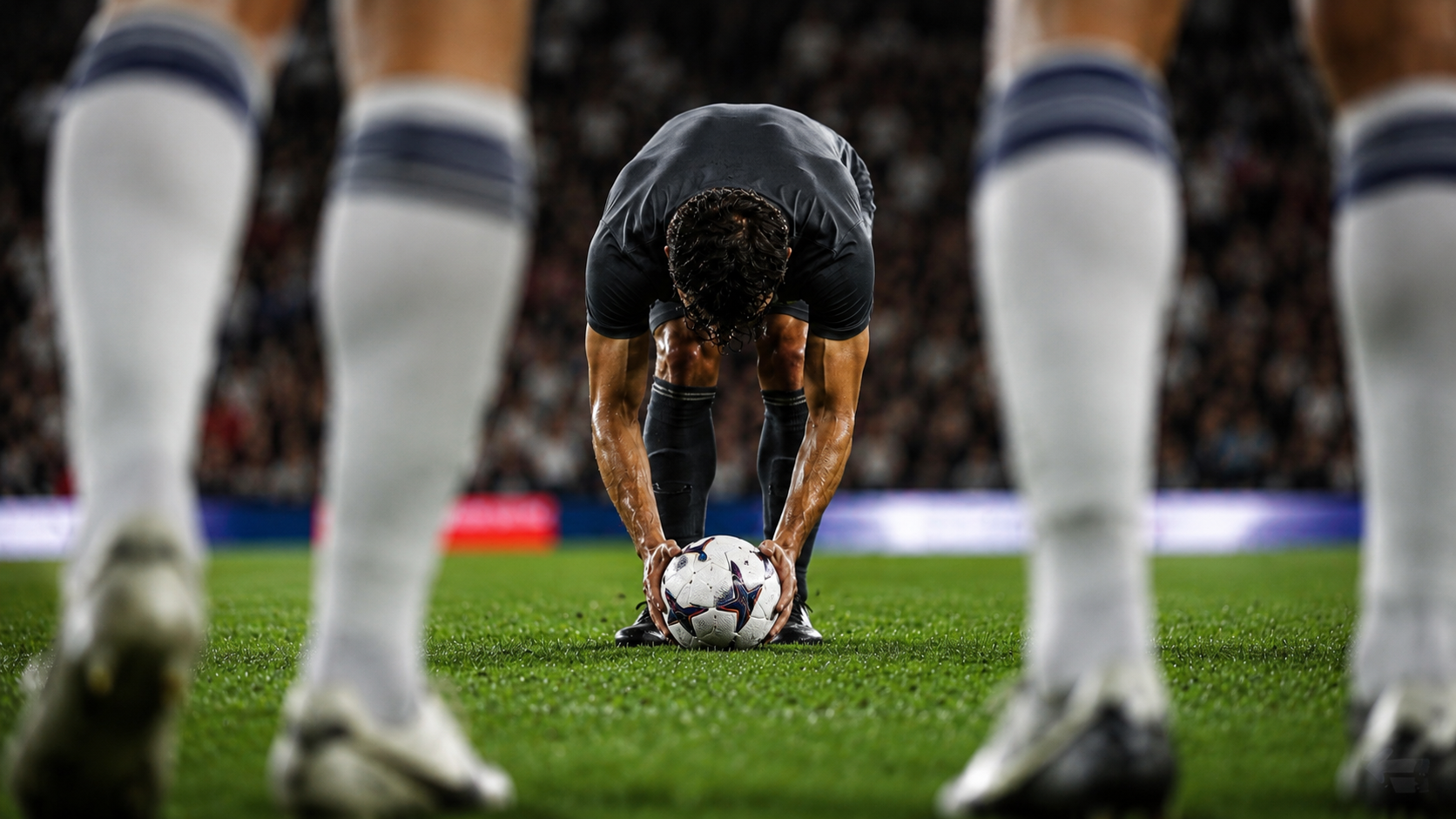
AI can generate options. But someone still has to know which option has a soul. That’s soccer, too. Data can tell you where the pass might go. It can show probabilities, patterns, and spaces. Recent research is even exploring generative and AI-supported tactical systems for football, showing how technology can propose alternative plays or help analyze decisions in complex match situations (Zhao et al.; Beal et al.). But the game still needs someone inside the pressure of the moment to feel the timing, disguise the pass, read the defender’s body, and decide whether the obvious move is actually the wrong one.
Creative work is headed in the same direction. The future won’t belong to the people who reject the tools out of fear, or the people who worship the tools because they’re new. It will belong to the people who know how to play with them. People with taste. People with criteria. People who can scan the field and say, “That’s interesting, but it’s not the move.”
Even being a fan teaches you that. Watching soccer seriously develops your creative eye in a weird way. You start noticing standards. You learn what good looks like. You learn the difference between a team that wins ugly and a team with an identity. You learn why some players look simple but are actually geniuses. You learn that elegance is often efficiency disguised as beauty.
That applies directly to references. In creative work, references can be dangerous if you don’t know why you like them. People grab a Nike film, an Apple spot, an A24 poster, a TikTok trend, a random Japanese editorial layout, and call it a direction. But soccer teaches you to ask better questions. What is the system? What is the role? What is the decision behind the beauty? What makes this work beyond the surface?
Messi walking is not laziness.
It is information gathering. A great campaign being quiet is not weakness. It might be control.
That’s the thing I keep coming back to: soccer is creativity with consequences. Every touch is a decision. Every decision creates or removes possibility. Every movement affects someone else. And that is why it prepares you so well for Creative Direction. Because the job is not just to have ideas. The job is to create the conditions where ideas can move.
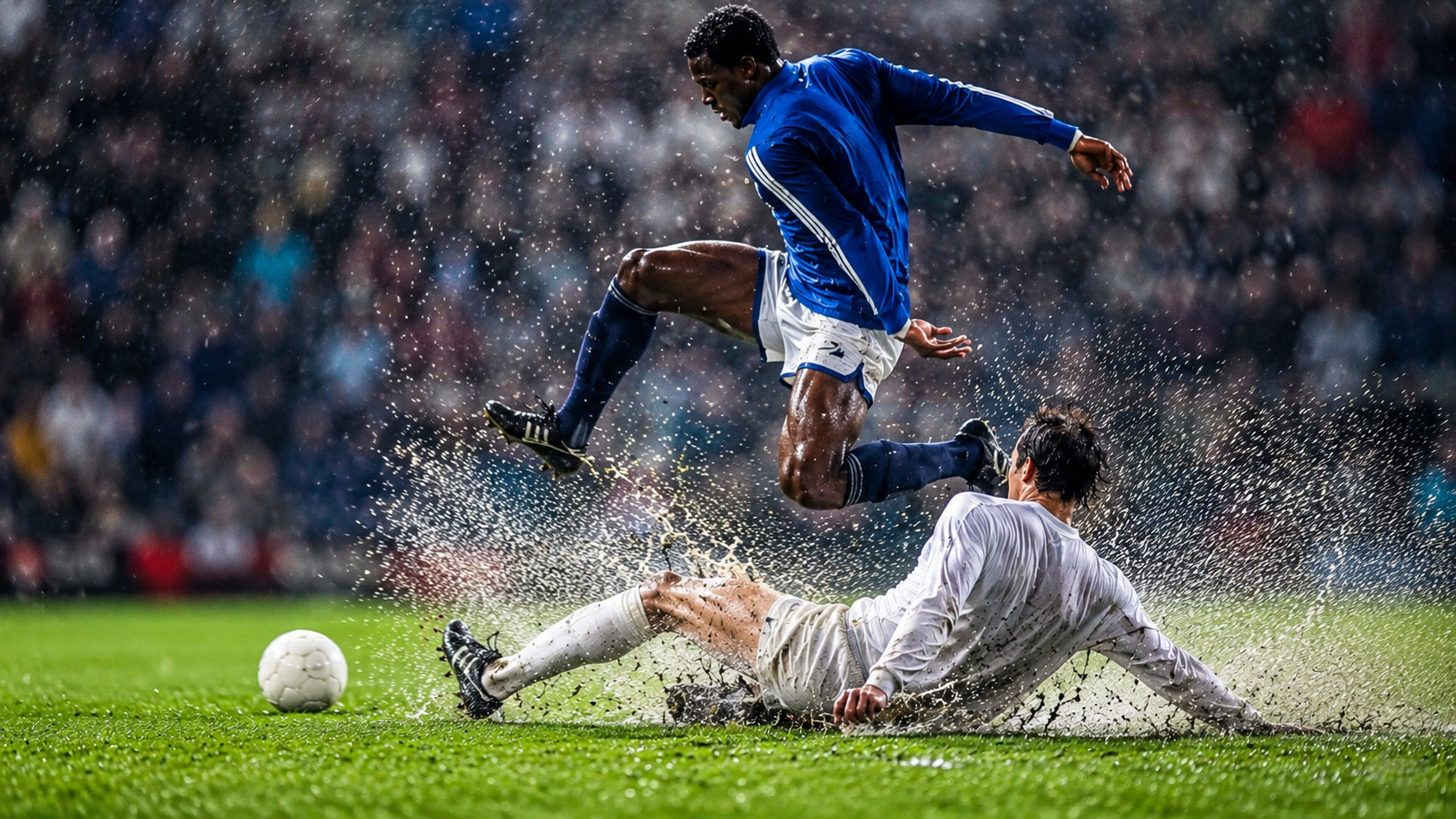
Team sports have also been linked to executive function — the mental skills that help people organize information, stay focused, remember details, make decisions, and adapt plans when conditions change. A JAMA Network Open study found associations between sports participation and executive function in children, and a related commentary described executive function as the ability to stay controlled and flexible while processing changing inputs (Yang, Corpeleijn, and Hartman; Brooks). I read that and thought: yeah, that’s basically a Monday morning creative review.
But beyond performance, soccer gave me something more emotional. It gave me a place to put things. The stress. The ambition. The insecurity. The anger. The need to prove myself. The joy. The identity confusion of being from here and there and somehow never fully from one place. The game gave it somewhere to go. A field can become a kind of therapy without calling itself therapy.
And there’s research behind that too. Studies have found associations between sports participation and lower depressive symptoms or anxiety in adolescents, especially when the experience includes connection, belonging, and team environments instead of just pressure and performance (Chi and Wang; Khan et al.). That distinction matters. Because the game heals when it gives you community, movement, rhythm, expression, and a place to feel useful. It hurts when it becomes only pressure. Maybe that’s also true of creativity. Creativity can heal you when it gives you expression. It can hurt you when it becomes only performance. And maybe soccer taught me that before I had the words for it.
When I chased the soccer dream, there was a certain kind of madness involved. The good kind, mostly. The kind that makes you believe the next game could change everything. The next tryout. The next touch. The next coach who finally sees what you see in yourself. And even when that dream changed shape, the hunger didn’t disappear. It just moved.
Now it shows up in the chase for the campaign. That one idea that feels alive. That one deck where everything clicks. That one line that makes the room pause. That one film that doesn’t feel like an ad, but like something someone actually needed to feel. That one team moment where everyone is passing the idea around and suddenly nobody cares who started it because the play is working.
That’s the high. That’s the same high. And I think that’s why I’ll always be grateful to the game. Soccer taught me how to lead without always needing the ball. How to trust people. How to compete without becoming empty. How to lose and still show up to training. How to adapt when the game changes. How to read the room because I learned how to read the field. How to use creativity not as decoration, but as a way through pressure.
It taught me that strategy without creativity is stiff. Creativity without strategy is just running at defenders with no plan. But when both meet — when the vision, the skill, the timing, the risk, and the team all connect — that’s when the play becomes beautiful. That’s when the work becomes beautiful too.
So yeah, maybe soccer prepared me for Creative Direction. Not because it taught me to “be a team player.” But because it taught me that every great idea needs movement. Every great leader needs vision. Every blocked plan needs a new angle. And every once in a while, if you’re brave enough to take someone on, patient enough to lift your head, and generous enough to make the pass, you might create something worth celebrating.
Even if nobody remembers the assist.
You will.
And the game will too.
Works Cited
Beal, Ryan, et al. “Optimising Game Tactics for Football.” arXiv, 2020.
Brooks, Alison. “Playing a Team Sport May Benefit Your Child’s Developing Brain.” JAMA Network Open, 2024.
Chi, Guijun, and Lei Wang. “The Association of Sports Participation With Depressive Symptoms and Anxiety Disorder in Adolescents.” Frontiers in Public Health, 2022.
FIFA. “FIFA World Cup 2026: Fixtures, Groups, Teams, Tickets, Host Countries, Cities and More.” FIFA, 2026.
Glavaš, Dragan, Mario Pandžić, and Dražen Domijan. “The Role of Working Memory Capacity in Soccer Tactical Decision Making at Different Levels of Expertise.” Cognitive Research: Principles and Implications, 2023.
Khan, Asaduzzaman, et al. “Examining the Association between Sports Participation and Mental Health of Adolescents.” International Journal of Environmental Research and Public Health, 2022.
Roca, André, Paul R. Ford, and Daniel Memmert. “Creative Decision Making and Visual Search Behavior in Skilled Soccer Players.” PLOS ONE, 2018.
Zhao, Siyao, et al. “TacEleven: Generative Tactic Discovery for Football Open Play.” arXiv, 2025.